Universiteit Utrecht
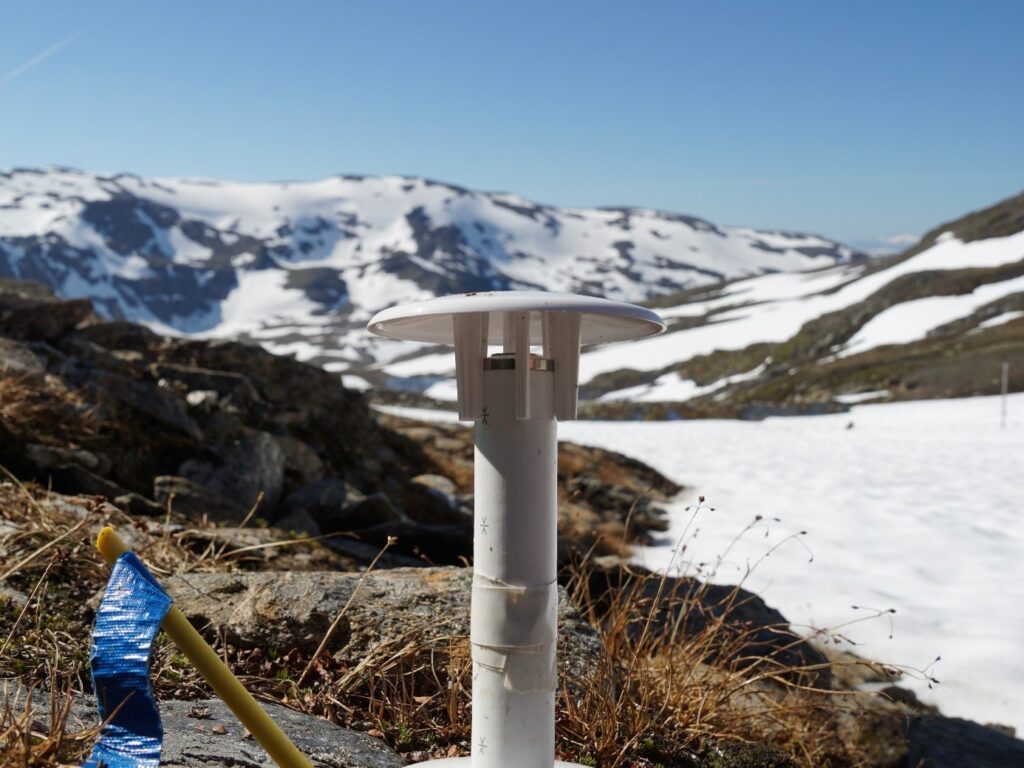
Climate change is reshaping ecosystems worldwide, especially in the Arctic, which is warming much faster than the global average. However, the climate data commonly used in ecological studies often describe broad regional averages and may not reflect the temperatures that plants and animals experience close to the ground. In mountainous and Arctic landscapes, temperature can vary greatly over short distances due to differences in elevation, slope, snow cover, and vegetation. These small-scale differences, also known as microclimate, strongly influence where species can survive and grow. In this study, we developed a high-resolution model to estimate daily soil-surface temperatures across Northern Scandinavia. We combined field measurements from temperature loggers with environmental information such as topography and vegetation to predict local temperature conditions in areas without measurements. We then tested whether these microclimate estimates better explain patterns in Arctic plant communities than commonly used large-scale climate data. Our results show that the microclimate model provides reliable temperature estimates and improves the link between climate and plant community composition compared to macroclimate, although measured microclimate still performed better. These results suggest that accounting for fine-scale temperature variation can improve our understanding of Arctic ecosystems, and microclimate modelling can be powerful tool for increasing microclimate data.