Utrecht University
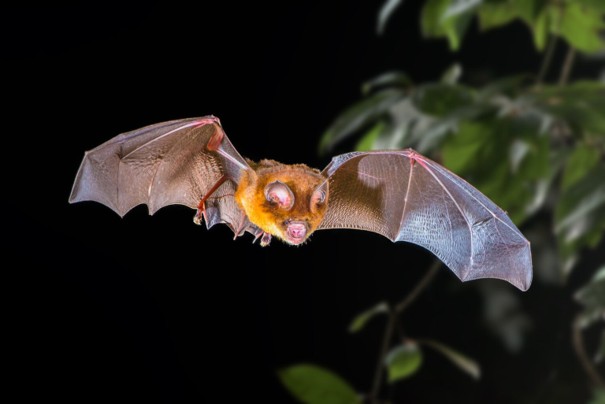
Forest fragmentation and edge effects have risen in recent decades with expanding agriculture. IUCN declared that 50% of deforestation in Borneo from 2005 to 2015 was caused by palm oil production. Borneo is a habitat of many animals, which are responsible for the ecosystem’s health. For example, insectivorous bats are crucial for plants’ health due to their top-down trophic cascade, and their diets reduce the number of forest-damaging insects and seedling defoliation. Because forest fragmentation alters insect communities, often increasing insect abundance near edges, the distribution and activity of insectivorous bats may also shift in fragmented landscapes. Therefore, assessing how bat activity changes along the edge is essential to determine whether forest fragmentation compromises their ecological function. Despite bats’ crucial role, their response to edge-distance gradients is poorly understood. For this reason, this research aims to determine how insectivorous bat species are impacted by the edge effect in isolated patches embedded in palm agroecosystems using passive acoustic monitoring. Data was collected using bioacoustics devices and analysed using Borneo Bat Classifier and Raven Pro for manual verification. By determining species-specific responses to the edge effect, this research aims to contribute to expanding the knowledge on the effect of palm agroecosystems on wildlife.