Stipendium Bottelier

Het Stipendium Bottelier ondersteunt Nederlands plantenonderzoek in binnen- en buitenland. Deze beurs is bedoeld ter bevordering van de kennis in alle gebieden van de botanie van celbiologie tot ecologisch veldonderzoek.


Wat financieren we?

We financieren vooral kosten die studenten en promovendi maken voor hun onderzoek of stage, zoals reis- en verblijfkosten en aanschaf van materialen tot een bedrag van € 750. Bij de beoordeling selecteren we aanvragen voor ondersteuning in kosten die niet gemakkelijk door andere fondsen gesubsidieerd worden.

Voorwaarden
  1. Aanvrager is student of promoveert aan een Nederlandse universiteit. Je hoeft geen lid te zijn van de KNBV
  2. Bij je aanvraag stuur je een (samenvatting van) een onderzoeksplan mee
  3. Je geeft een presentatie over je onderzoek en noemt de KNBV
  4. Bewaar bonnetjes en/of houdt ritten bij. Op het moment van aanvragen heb je nog geen kosten gemaakt.
  5. Stuur ons een verslag.
Inzendtermijn

De inzendtermijnen zijn 1 maart en 1 oktober. Het bestuur besluit over toekenning en streeft ernaar om 1 maand later te laten weten of je in aanmerking komt voor het Stipendium.

Aanvragen

Download het aanvraagformulier. Stuur het ingevulde formulier naar  bottelier@knbv.eu Je kunt bij hem ook terecht voor meer informatie.

Download the application form (English). Please submit the completed form to bottelier@knbv.eu

Declareren

Ben je klaar met je onderzoek? Download het declaratieformulier

Finished your work? Declaration form Stipendium Bottelier

Andere fondsen

Voldoet je voorstel niet aan onze richtlijnen, dan kun je misschien terecht bij het Hugo de Vries Fonds.

Recent ondersteund onderzoek

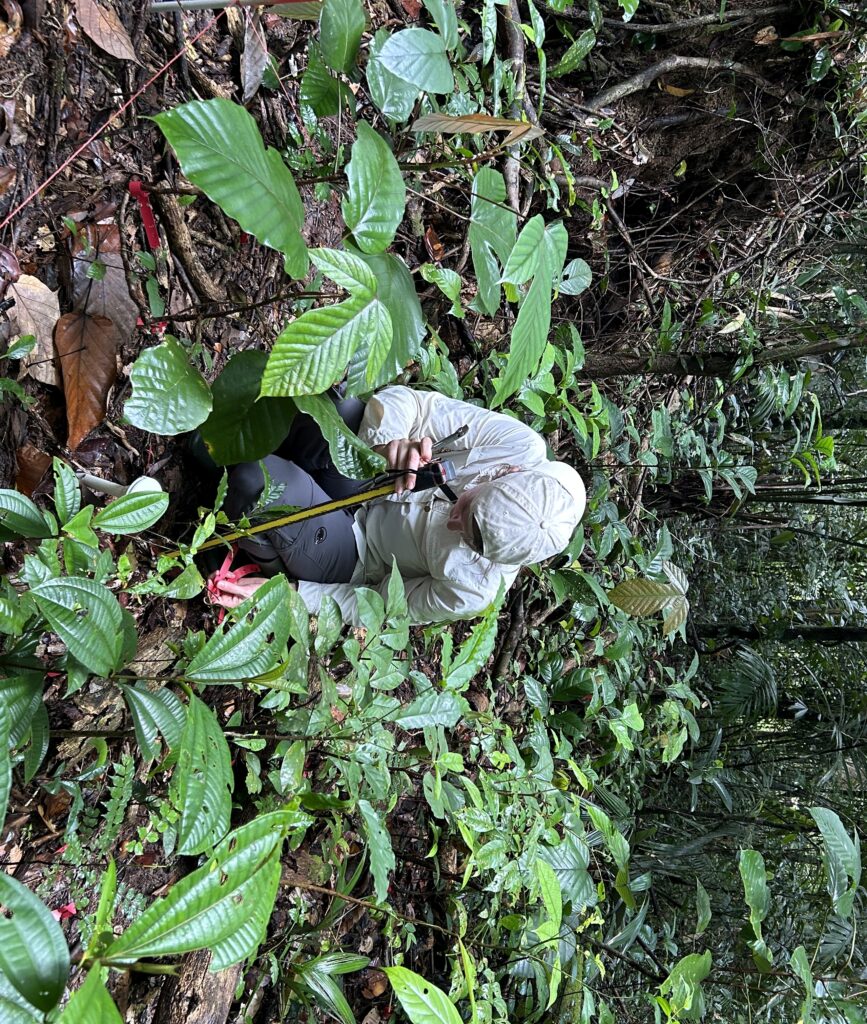
Sarah van Straaten – Browsing in Neotropical Forest Canopy Gaps: The Role of Plant Functional Traits and Microclimate

Universiteit Utrecht

Large herbivores are essential for tropical forest composition and functioning, such as through their roles as seed dispersers and browsers1,2. However, their populations are declining due to anthropogenic pressures3. Browsing is an often-overlooked ecological role of herbivores, despite research indicating its importance for the composition and regeneration of tropical plant communities4. To predict the effects of herbivore declines and subsequent reduction in browsing pressure on tropical forest communities, mechanisms underlying plant-browser interactions must be better understood1. The aim of this research is therefore to gain insight into the factors affecting browsing pressure on tropical plant communities. During three months of fieldwork, seedling plots were set out in canopy gaps, which are hotspots for forest regeneration and experience high browsing pressure1,5,6. Within the plots, seedlings were measured (height, DBH), identified and browsing signs were noted. Additionally, temperature and soil humidity were measured. Readily available browsers densities of the research sites and functional trait databases were used to study whether these factors impact browsing pressure. The end product of this project is a Master thesis, of which the results will contribute to creating a more complete picture of factors underlying browsing pressure and to guide conservation efforts.
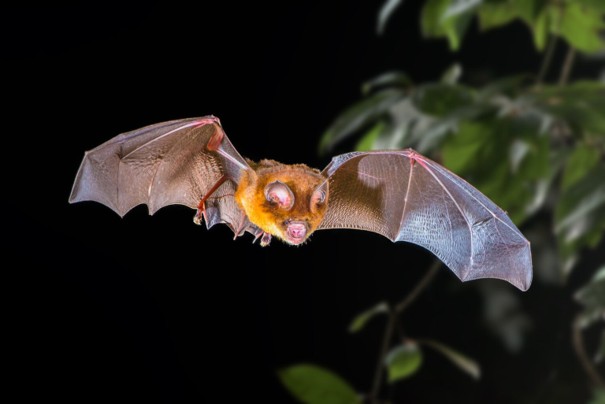
Ludovica Visca – The Effect of Edge Effect on Bat Acoustic Activity in Indonesian Borneo: A Bioacoustics Approach

Utrecht University

Forest fragmentation and edge effects have risen in recent decades with expanding agriculture. IUCN declared that 50% of deforestation in Borneo from 2005 to 2015 was caused by palm oil production. Borneo is a habitat of many animals, which are responsible for the ecosystem’s health. For example, insectivorous bats are crucial for plants’ health due to their top-down trophic cascade, and their diets reduce the number of forest-damaging insects and seedling defoliation. Because forest fragmentation alters insect communities, often increasing insect abundance near edges, the distribution and activity of insectivorous bats may also shift in fragmented landscapes. Therefore, assessing how bat activity changes along the edge is essential to determine whether forest fragmentation compromises their ecological function. Despite bats’ crucial role, their response to edge-distance gradients is poorly understood. For this reason, this research aims to determine how insectivorous bat species are impacted by the edge effect in isolated patches embedded in palm agroecosystems using passive acoustic monitoring. Data was collected using bioacoustics devices and analysed using Borneo Bat Classifier and Raven Pro for manual verification. By determining species-specific responses to the edge effect, this research aims to contribute to expanding the knowledge on the effect of palm agroecosystems on wildlife.

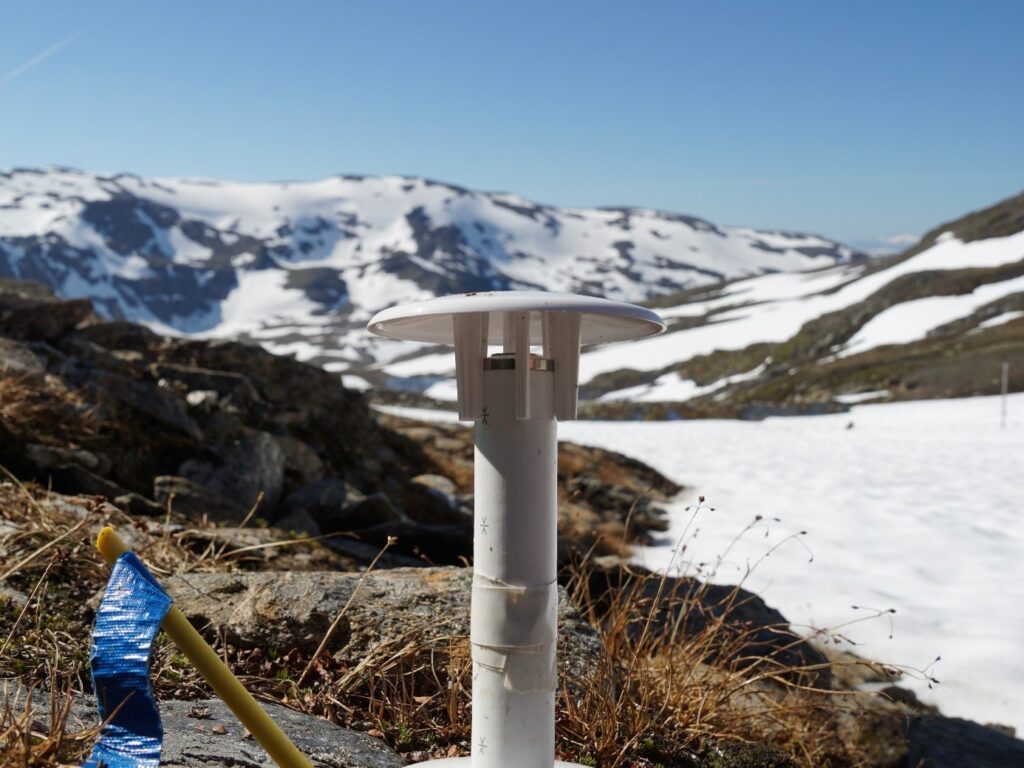
Kees van Kollenburg – High spatiotemporal resolution microclimate modelling reveals fine-scale patterns of Arctic vegetation

Universiteit Utrecht

Climate change is reshaping ecosystems worldwide, especially in the Arctic, which is warming much faster than the global average. However, the climate data commonly used in ecological studies often describe broad regional averages and may not reflect the temperatures that plants and animals experience close to the ground. In mountainous and Arctic landscapes, temperature can vary greatly over short distances due to differences in elevation, slope, snow cover, and vegetation. These small-scale differences, also known as microclimate, strongly influence where species can survive and grow. In this study, we developed a high-resolution model to estimate daily soil-surface temperatures across Northern Scandinavia. We combined field measurements from temperature loggers with environmental information such as topography and vegetation to predict local temperature conditions in areas without measurements. We then tested whether these microclimate estimates better explain patterns in Arctic plant communities than commonly used large-scale climate data. Our results show that the microclimate model provides reliable temperature estimates and improves the link between climate and plant community composition compared to macroclimate, although measured microclimate still performed better. These results suggest that accounting for fine-scale temperature variation can improve our understanding of Arctic ecosystems, and microclimate modelling can be powerful tool for increasing microclimate data.

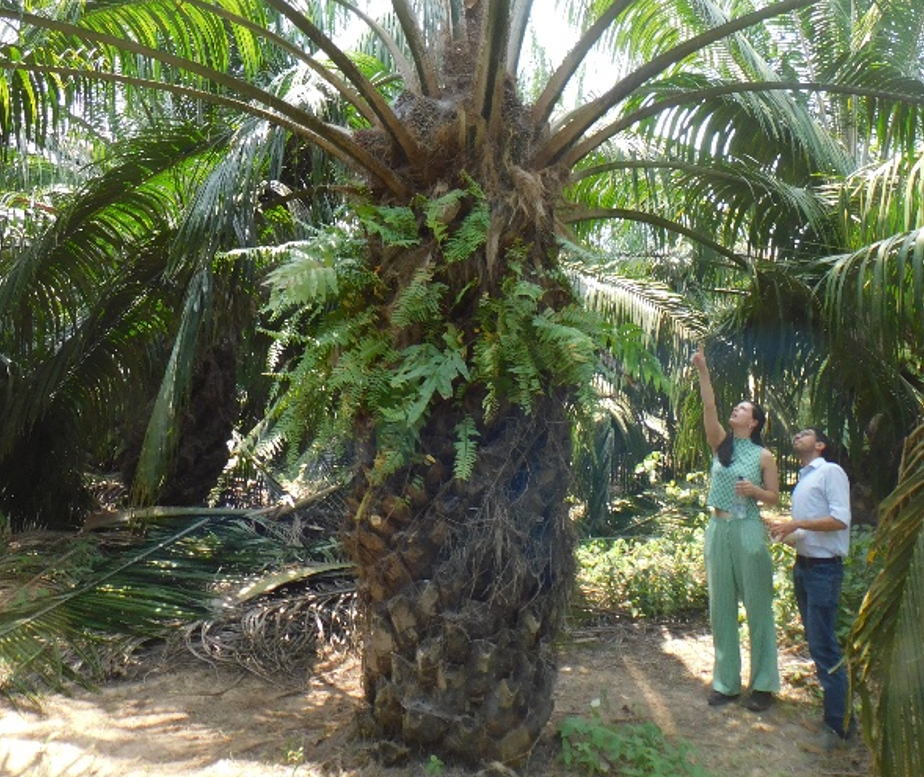
Wies Bos – Adjusting PALMSIM model to fit the growth of the fronds of OxG oil palm hybrid

Wageningen University and Research

Oil palm is the most cultivated oil crop worldwide by volume. Colombian palm oil cultivation has been suffering from the presence of bud rot disease (BD); the introduction of the tolerant interspecific OxG hybrid (E. oleifera x E. guineensis) has provided relief to farmers in Colombia.

This thesis aims to adjust the oil palm crop model PALMSIM to simulate the growth of the fronds of OxG, in accordance with characteristics of the fronds of the OxG hybrid. Comparing the fronds of OxG and E. guineensis, we found the leaf area to be larger, the dry weight to be lower, and the specific leaf area to be higher, and lower photosynthesis rates. The frond dry weight simulated by the adjusted PALMSIM deviated on average by 27 % from the observed values.

To further improve PALMSIM’s simulations of OxG, parameters should be adjusted according to OxG’s characteristics, prioritizing influential parameters on the model’s output. To minimize negative impacts on the environment and biodiversity, oil palm production should sustainably intensify land and resource use by closing existing yield gaps, which can be analyzed using crop models. PALMSIM could provide accessible knowlegde on planting material and help growers practice good farming practices.

Marije van de Poll – The influence of habitat structure, herbivore behaviour and leaf functional traits on browsing pressure in tropical forests of French Guiana

Universiteit Utrecht

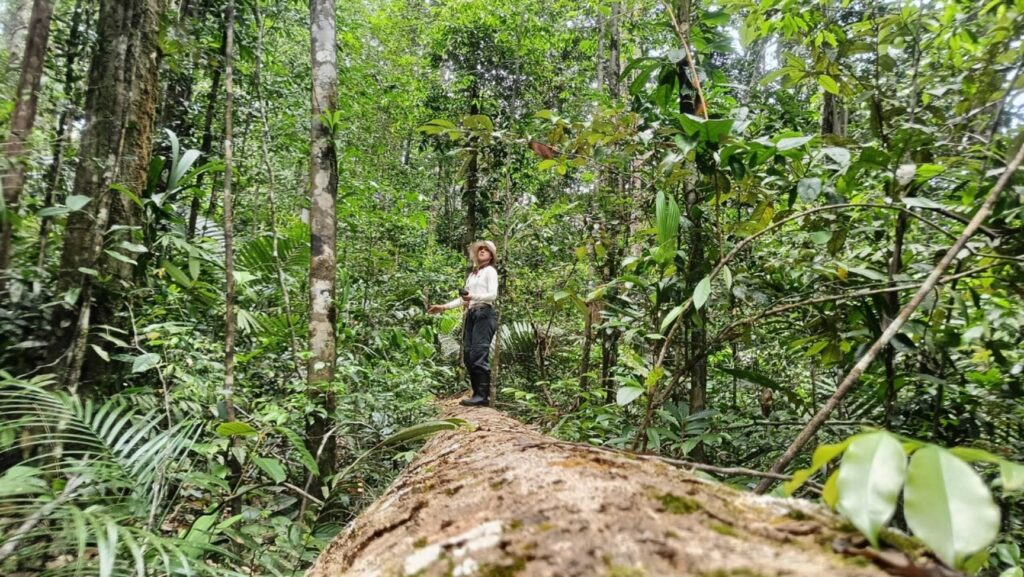
Large herbivores influence tropical forest regeneration through browsing, trampling, and selective feeding, yet the behavioural processes determining where and when browsing occurs remain poorly understood. This project aimed to investigate how habitat structure influences large Neotropical herbivore activity, behaviour, and browsing pressure in tropical forests of French Guiana. Specifically, the study compared canopy gaps and closed-canopy forest to assess differences in herbivore visitation frequency, foraging behaviour, and vigilance behaviour across habitats. In addition, the project examined whether variation in browsing pressure is mediated by differences in leaf functional traits associated with plant palatability, such as specific leaf area, nitrogen content, and leaf toughness. Herbivore activity was determined with camera traps, while browsing rates and plant traits were measured through field studies and laboratory analyses. By integrating habitat structure, herbivore behaviour, and plant functional traits, this study aims to improve understanding of spatial variation in browsing pressure and its potential consequences for plant community composition, biodiversity, and tropical forest regeneration.

Qiong Fang – Recent dispersal history of edible aroids (Araceae) via humans between continents

Wageningen University and Research

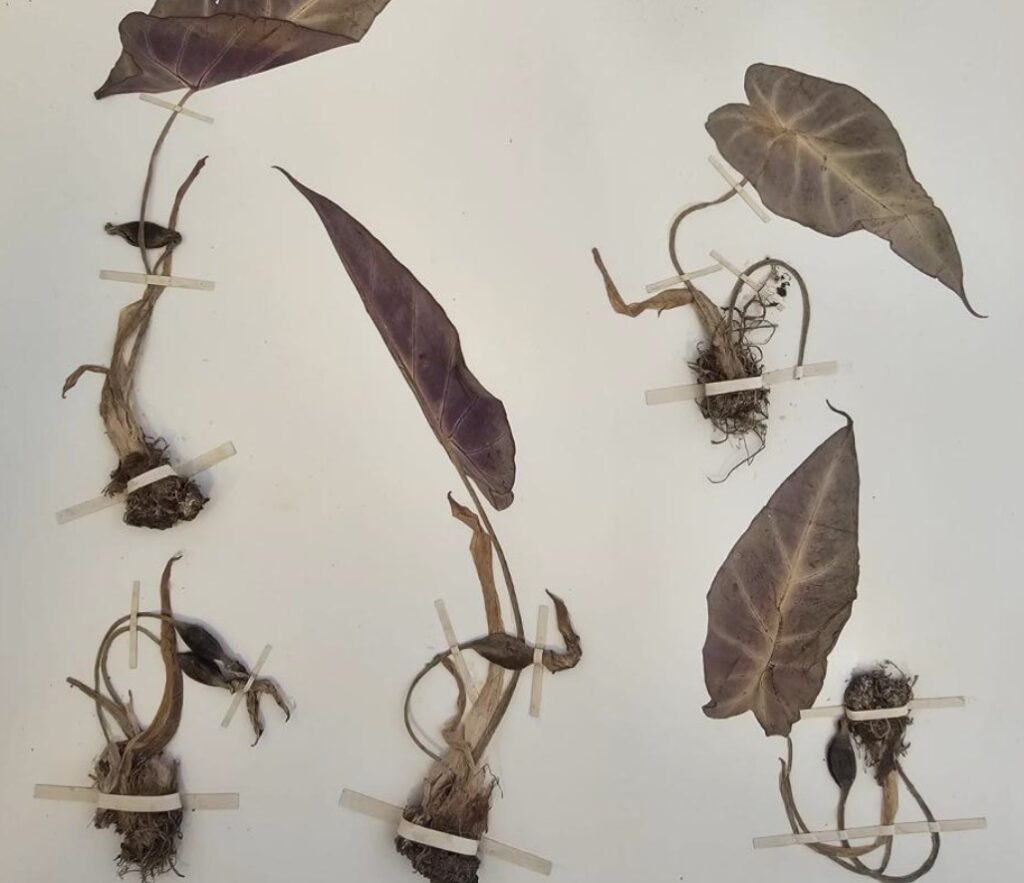
Edible aroids (plants from the family Araceae) are among the top five most cultivated tuber crops globally, but their consumer acceptance is hindered by extreme acridity Acridity is caused by aroids sap that severely irritate the throat, lips or skin if not correctly processed. However, no in-depth studies exist on acridity in edible aroids, how to diminish it and its connection to human-mediated dispersal. In our previous study (Fang et al., 2024), we collected accessions from the Dutch market, for conducting phenotyping and ploidy analyses.
To further investigate the diversity of these accessions, we are currently using molecular data to identify the genotypes with different levels of acridity. In this project, we aim to combine RBGK (the Royal Botanical Gardens, Kew) accessions of edible aroids from different continents to 1) phenotype and genotype RBGK edible aroids accessions; 2) compare RBGK and Dutch accessions from different continents for their morphology and genetics among; 3) reveal edible aroids acridity variation and its genetic basis at intraspecific, interspecific, generic and family levels; 4) decipher domestication history of edible aroids and its relation with acridity through comparative and population studies among accessions across the world; 5) progress (unclear) in uncovering the domestication origin of taro and other edible aroids; 6) contribute to edible aroids wild relative conservation, food safety, edible aroids acceptance, production, trade and consumption.

2012

Luipaarden en Vegetatie

Martine Kalisvaart en Timon Pieck gingen naar Zuid-Afrika. Met het Stipendium Bottelier deden zij onderzoek naar de relatie tussen vegetatie en luipaarden.

2011

Reconciling higher cacao productivity with forest biodiversity conservation: what are the opportunities and management implications?

André van den Beld is in Ghana (en Congo) geweest voor een onderzoek naar biodiversiteitsvriendelijke manieren om cacao te produceren.

The impact of elevated atmospheric nitrogen deposition on biological N-fixation in boreal peatlands

Jacqueline Popma was in de VS en Canada om onderzoek te doen naar stikstofdepositie in venen.