
Joep van den Heuvel – Using multivariate CT-DS to assess the relation between fruit availability and the spatiotemporal distribution of frugivores
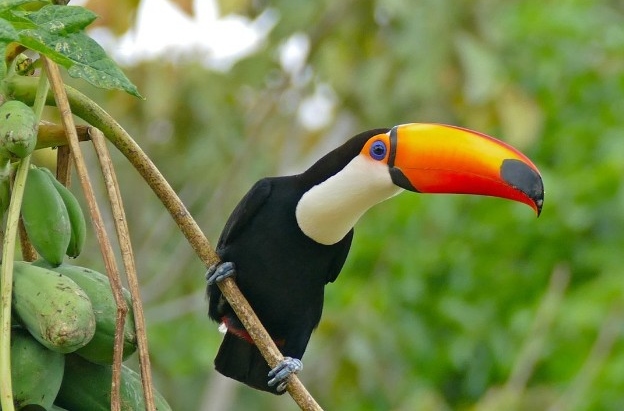
Universiteit Utrecht Tropische bossen verschaffen ons allerlei ecosysteemdiensten, zoals koolstofopslag, waterzuivering, en een vruchtbare bodem. Frugivoren, dieren die voornamelijk fruit eten, spelen een belangrijke rol in het in stand houden van deze ecosysteemdiensten door de bos-samenstelling te beïnvloeden via zaadverspreiding. Dit onderzoek richt zich op de relatie tussen de fruitbeschikbaarheid en de spatiële verspreiding van […]
Jip Berkelder – Transplantation as a method for (meta)population restoration: An evaluation after a 12-year monitoring period of experimental re-introduction of Anacamptis morio in Zeeland
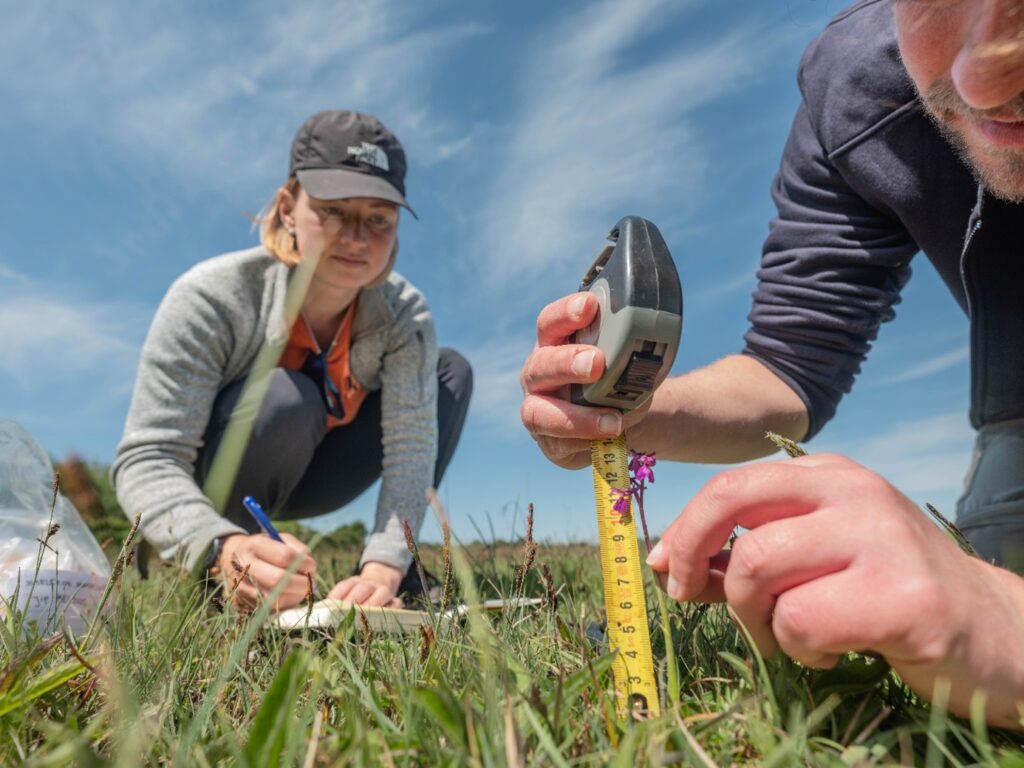
Wageningen University and Research This study marks the conclusion of a long-running project that monitored experimental transplantations of the green-winged orchid (Anacamptis morio) to two new locations in Zeeland. Over a 12-year period, individual plants of this food-deceptive species were recorded within permanent quadrants. This resulted in a substantial dataset that allowed us to evaluate […]
Eka Cahyaningrum – Vanilla Undercover: Shade-tree Effect on Vanilla Yield in Madagascar
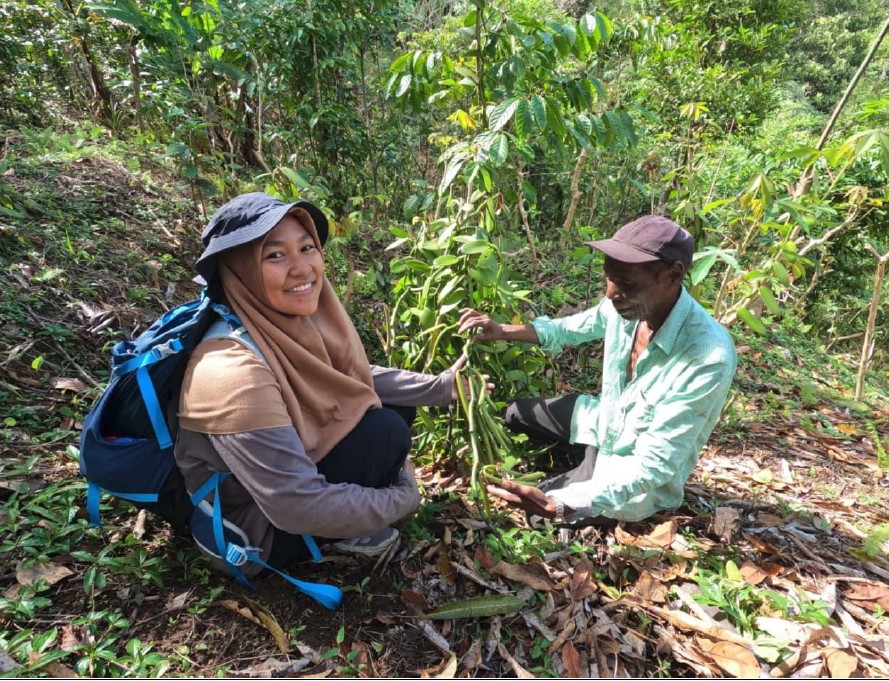
Wageningen University and Research Vanilla is one of the agroforestry commodities that are relatively tolerant of tree canopy. Unlike some other agroforestry commodities, such as coffee and cocoa, which require an open canopy, vanilla can grow under increasingly dense canopy. Research by Martin et al. (2021) states that canopy cover shade tree growth is relatively […]
Yukie Yokoyama – Ecological Recovery through Frugivores in Madagascar
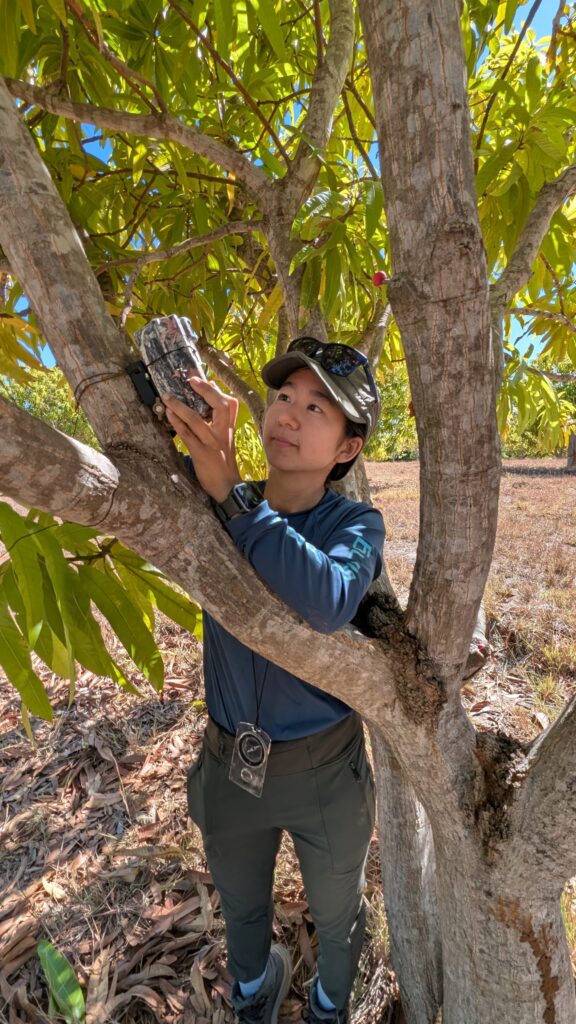
Wageningen University and Research Madagascar is one of the world’s top biodiversity hotspots, yet its ecosystems face growing pressure from anthropogenic activities to meet livelihood needs (Elmqvist et al., 2007; Ralimanana et al., 2002). With one-third of households’ dependent on forests for their livelihoods, forest restoration is essential for sustainable development (IIED & Foniala, 2008). […]
Bianka Fábryová – The role of forest landscape in shaping seed communities in naturally regenerating secondary tropical forests
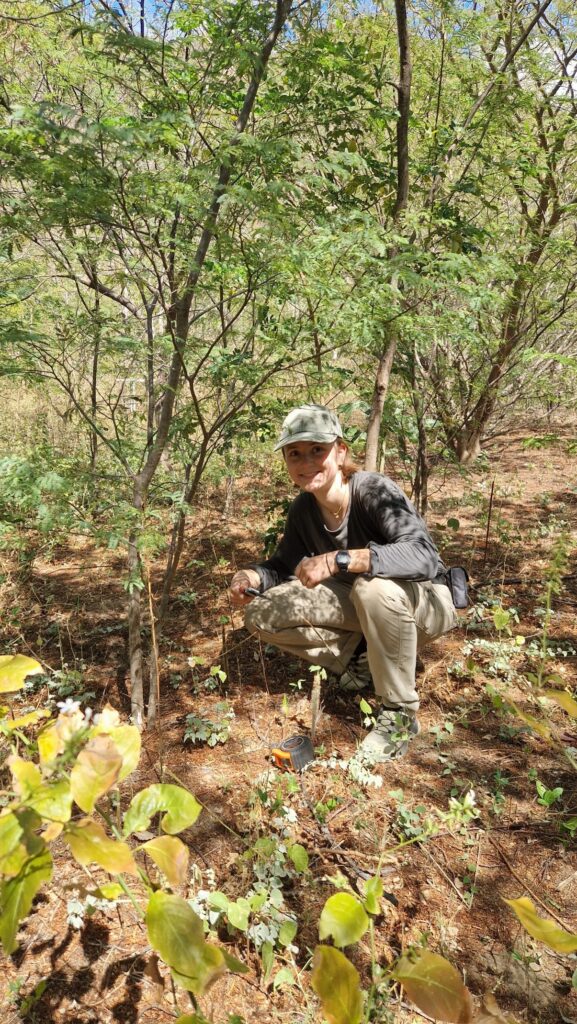
Wageningen University and Research Natural forest regeneration represents a promising solution for ecological restoration of tropical forests. In this study, we analyzed the impact of surrounding forest landscape on the seed rain of woody plants in naturally regenerating secondary tropical forests. We collected seeds using seed traps in early successional plots across wet and dry […]
Sander de Hoop – Kleurvoorkeur van Mediterraanse Glaphyridae kevers
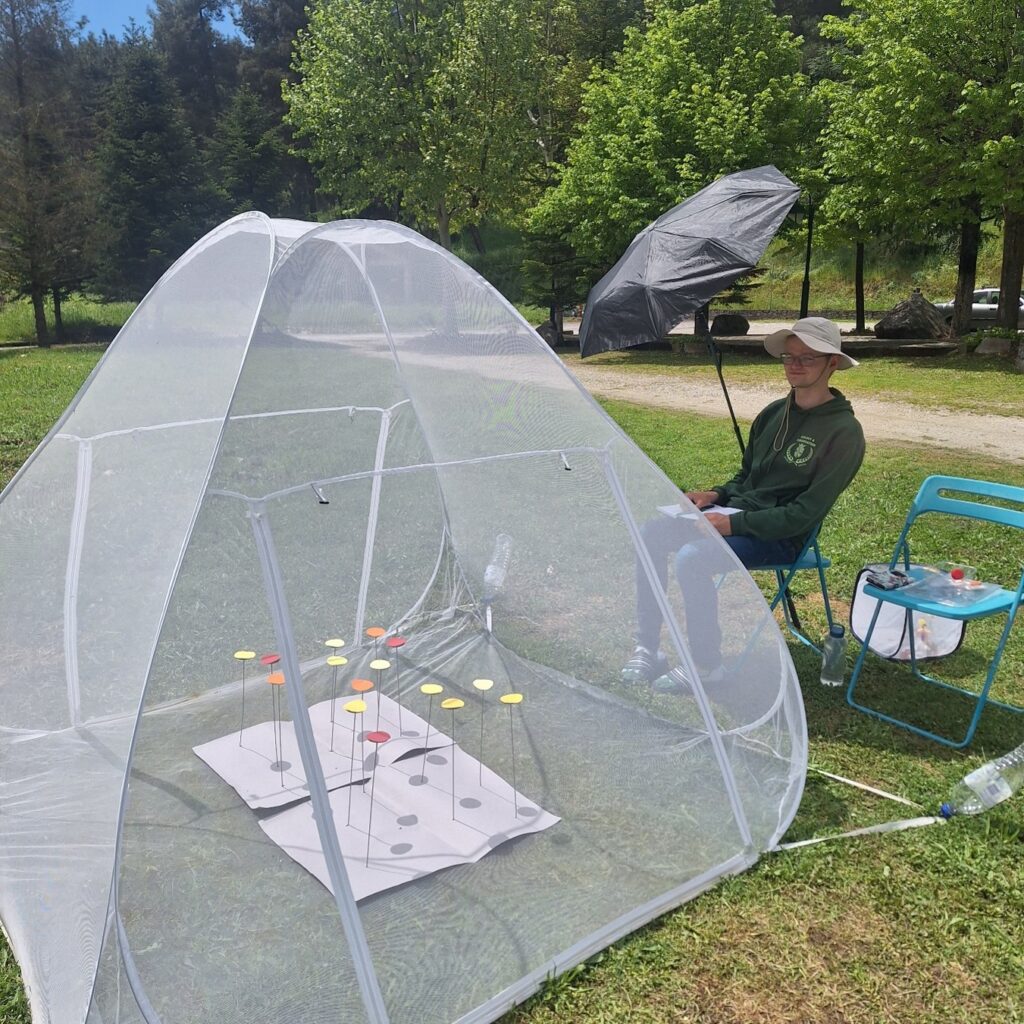
Rijksuniversiteit Groningen Bloemplanten en bestuivers zijn in de loop van hun co-evolutie afhankelijk van elkaar geworden voor voedsel en voortplanting. Tijdens dit proces hebben bloemplanten en insecten elkaars fysieke eigenschappen beïnvloed, zoals bloemkleur. Rode bloemen zijn in Europa zeldzaam, omdat de meeste bestuivende insecten hier de kleur rood niet kunnen zien. Toch zijn er uitzonderingen, […]
Peter Sintenie – Soil properties and applications for the backwaters of the Spanish Lagoon, Aruba
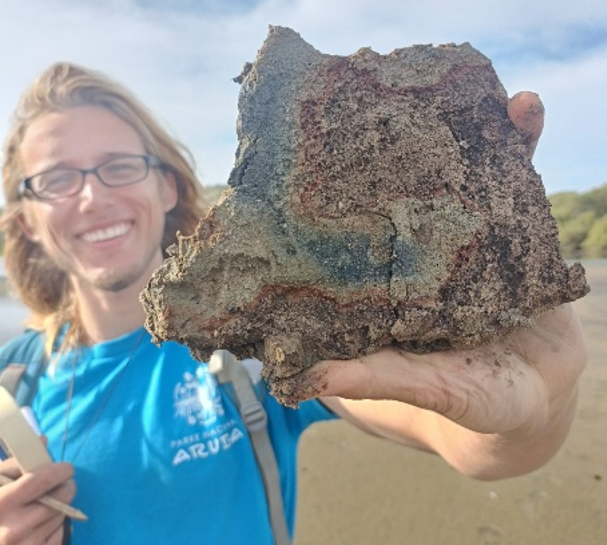
Wageningen University and Research Het Spaans Lagoen is een mangrove ecosysteem op Aruba, en vormt een belangrijke bron voor biodiversiteit, koolstofvastlegging en een kraamkamer voor vissen in de open zee. Door erosie van omringende heuvels is het lagoen door de jaren heen dicht geslibt met sediment. Hierdoor is het water ondieper geworden, wat ongunstig is […]
Nemi Dorst – Exhaled breath analysis of volunteers exposed to outdoor allergenic pollen
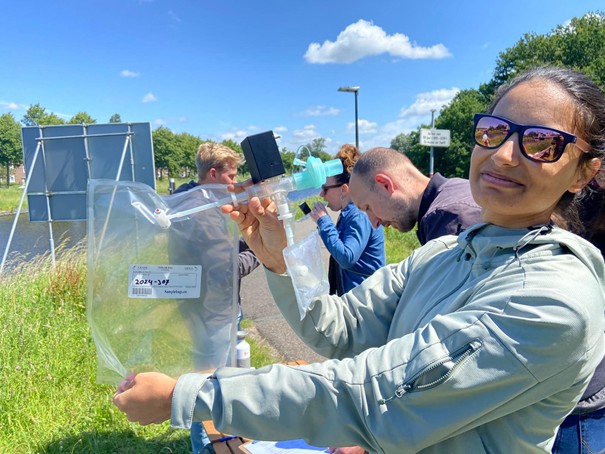
Universiteit Leiden en Naturalis Biodiversity Center De aarde warmt op door klimaatverandering. Vooral in grijze, versteende steden stijgen temperaturen snel. Bomen en andere planten bieden verkoeling door schaduw, maar kunnen met hun pollen ook hooikoorts veroorzaken. Binnen het NWA gefinancierde BENIGN project onderzochten we met een citizen science project in Leiden wat het effect van […]
Ronja Knippers: How wild vs. cultivated food availability drives crop-raiding in Surinamese forests
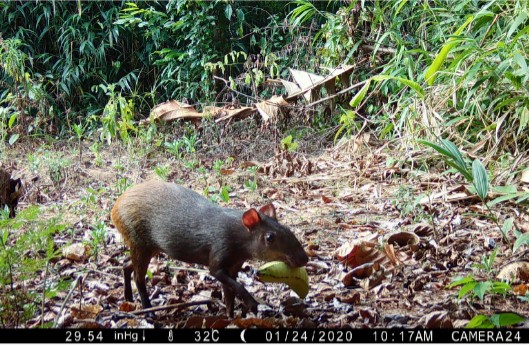
In inheemse dorpen in het binnenland van Suriname eten dieren – met name knaagdieren, herten en zwijnachtigen – gewassen op kostgrondjes (landbouwgronden). Dit kan leiden tot gewasverlies wat voor voedselonzekerheid, financiële schade en emotionele schade bij lokale bewoners kan zorgen. Dit kan mensen aanzetten tot het doden van dieren waardoor natuurbehoud in het gedrang komt. […]
Sarah Grace Jongkind – How does past land use intensity affect current community composition of abandoned pasturelands in tropical North Queensland?
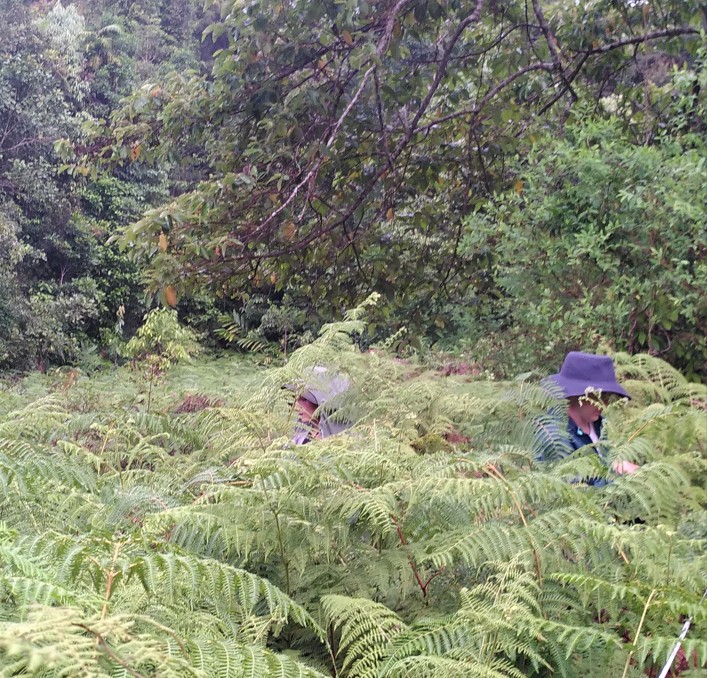
Since the 1950s, the Atherton Tablelands in tropical North Queensland has experienced mass clearing of biodiverse, tropical rainforest to make way for agriculture and pastureland. Much of this pastureland has since been abandoned, giving the rainforest the possibility to regenerate through the process of succession to secondary forest. Secondary forests have great conservation potential – […]